


Verdure Atelier™
The Cost of Time:
A Story of Craft, Luxury, and the Hours That Shape Us
Morning in the
Verdure Atelier
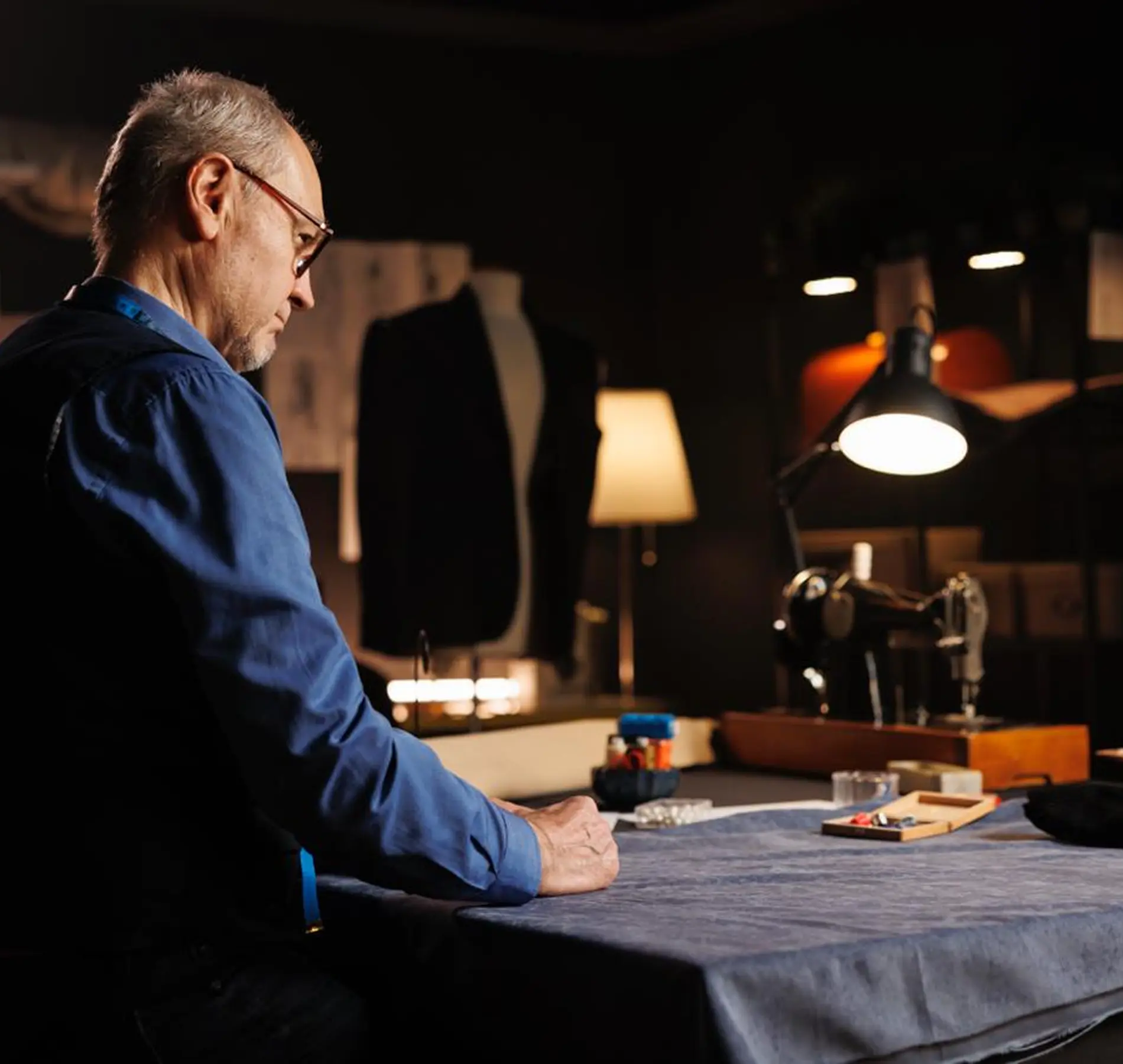
On a grey autumn morning in the Kullu Valley, a single light glows in a small stone atelier. Inside, master tailor Raghav Rana leans over an old teak worktable, hands steady as he guides a needle through thick handloom wool. The air is crisp with mountain chill and rich with the lanolin scent of raw wool.
Shelves around him overflow with spools of hand-spun yarn and neatly folded shawls; a foot-pedal sewing machine rests by the window amid scraps of indigo and crimson. There is a hushed rhythm here - the snip of scissors, the creak of a wooden chair, the whoosh of an iron smoothing a seam – a tempo as deliberate and ancient as the snow-capped peaks beyond the window.
Rana's fingers have memorized every fibre of the charcoal-colored fabric; he spent weeks weaving it on a traditional loom with dyed yarn from local sheep. Each thread holds a story of the highland pastures and the shepherds who tended the flock. “This wool carries our winters in it,” he says quietly, as if confiding a secret. He speaks to no one in particular - the atelier is empty but for memories - yet his voice fills the space. On a shelf above, a black-and-white photograph of his father (himself a renowned weaver-tailor) looks on approvingly. In this dim light, time itself seems to slow and stretch, each minute marked not by a clock's tick but by the deliberate pull of needle and thread.
Outside, the world is waking into frenzy: delivery vans roar down the mountain road, and smartphones trill with a dozen notifications. But inside this workshop, time flows at the pace of craft. Rana's day will not be measured by emails answered or units shipped, but by tangible progress: a collar expertly attached, a 1 lining invisibly hand-felled, a finished coat that will last a generation.
He glances at a brass pendulum clock on the wall - an heirloom from his grandfather - its measured swing affirming what he already knows: good things take time. Today, he hopes to complete a custom wool jacket he began over a month ago. Every stitch in it is sewn by hand; every seam is reinforced with patience. It is an investment of hundreds of hours of skilled labor - the true cost of its making, paid in time and care.
The Rhythm vs. the Rush
In the stillness of Rana's atelier, it's easy to forget the breakneck speed of the outside fashion world. As he knots a thread, one careful stitch at a time, elsewhere factories and studios churn at warp speed. Consider the extreme: ultra-fast fashion juggernaut Shein now releases up to 10,000 new designs per day - an unfathomable pace that Rana can hardly imagine. In the time it takes him to sew one sleeve, a global retailer might have launched an entire micro-collection online. The contrast is startling: here, a jacket in a month; there, a thousand dresses in a minute. Rana smiles wryly at the thought. “If I tried to work any faster,” he jokes to himself, “the thread would catch fire.”
The world's appetite for fashion has indeed become insatiable - and impatient. Globally, clothing production has more than doubled in the past two decades, feeding a culture of constant consumption . An average adult in the U.S. now buys around 53 new garments each year , many of them worn just a handful of times. In fact, by some estimates the average piece of clothing today is worn less than 10 times before being discarded . What was once seasonal is now weekly; “new arrivals” refresh daily on our screens. Rana has heard stories of young customers in big cities who consider an outfit “old” after it's been seen twice on Instagram.
The atelier's radio - usually tuned to a crackly AM news channel - recently reported a striking statistic: one garbage truck of clothing is sent to landfills every second worldwide . Rana shook his head in disbelief when he heard that. How could any garment be so disposable? In his hands, even a humble offcut of wool finds use as a patch or a pot-holder. In the globalized rush, however, throwaway culture has made clothes cheap in both price and sentiment - easy come, easy go.
This breakneck cycle carries hidden costs. The same radio segment mentioned that the fashion industry now consumes enormous resources and spews significant waste. Rana jots a note in his ledger: “10% carbon, 20% water” - a reminder of a fact he heard: making all those billions of garments each year produces roughly 10% of the world's carbon emissions and 20% of global wastewater . Bolts of synthetic fabric (polyesters and nylons) have flooded markets, offering low cost but shedding microplastics; Rana prefers natural fibers, but he knows he's swimming against a tide where over 80% of textiles are now synthetic and contribute to pollution . He thinks of the pristine Beas River flowing by Kullu town - how long until the dye from some distant factory runs in its waters?
Yet beyond the environmental tally, there's an intangible loss in this acceleration: the loss of connection. As a fifth-generation tailor, Rana feels each garment he makes is a link in a chain - connecting him to his ancestors, and to the person who will wear it. That connection is hard to mass-produce. When fashion is instant and disposable, clothing can feel anonymous, soulless. An activist's words echo in his mind: “Clothes aren't discarded because they're worn out, but because they're deemed out of style.” In other words, much of what we throw away still has life left in it - if only we valued longevity over novelty.
Rana's quiet practice is a rebuke to that throwaway mindset. Here, styles don't really go “out of style” at all - the classic wool coat he's crafting is as timeless as the Himalayan winter it's meant to withstand. Its design is guided by function and tradition: a high collar to block mountain winds, deep pockets to keep hands 1 2 3 4 5 6 7 8 2 warm, subtle woven motifs handed down through Kullu's craft heritage. He knows this piece, if well cared for, could be passed from parent to child. In every reinforcement stitch, he imagines a future repair rather than a future purchase. Where the modern industry builds obsolescence, he builds longevity
The Price of Patience
By midday, Rana steps back to assess the jacket taking shape on his tailoring mannequin. Light filters through the window, illuminating the fine pick-stitches along the lapel and the sturdy hand-bound buttonholes. He runs a calloused hand over the fabric, feeling the density and drape. The jacket is quietly luxurious - not in a flashy way, but in its integrity. Every inch bears the imprint of human effort. It's the kind of item that, in a sleek metropolitan boutique, might carry a daunting price tag and a fancy label. Here in this humble workshop, it carries only Rana's name and the story of its making.
He recalls a conversation with a tourist customer last summer, a businessman from Mumbai who balked at how long a bespoke coat would take. “Why would I pay so much and wait six weeks, when I can get something similar in six hours?” the man had asked, eyeing the old-fashioned workshop skeptically. Rana had simply invited him to sit, have a cup of chai, and watch. The customer ended up spending the afternoon in the atelier, marveling at the meticulous work - the way Rana aligned each plaid stripe perfectly at the seams, the invisible strengthening of each pocket corner. When the man finally left (having ordered the coat despite the wait), he said quietly, “I understand now - I'm not just buying a coat, I'm investing in the hours it contains.”
That insight goes to the heart of the matter: our assumptions about cost and value. In the modern marketplace, speed and scale usually drive costs down - cheap materials, outsourced labor, assembly-line efficiency - making it possible to buy a jacket for less than the price of a dinner. But those low price tags rarely reflect the true costs: the exploitative labor, the environmental damage, the planned obsolescence. By contrast, an artisanal piece like Rana's jacket is expensive in the currency of time - his time. It embodies dozens of hours of skilled handwork and years of honed expertise. Its cost, therefore, is a more honest one: time well spent, quality built in.
Interestingly, consumers themselves are starting to reevaluate what they're paying for. Recent research suggests that people will pay a premium for products that carry greater meaning or craftsmanship. For example, in one study shoppers were willing to spend up to 17% more for a handmade item, perceiving that it was literally imbued with the maker's love and care . This so-called “handmade effect” hints that a quietly growing segment of consumers craves objects with soul - things touched by human hands, not just machines. Luxury, in this sense, is shifting. It's less about flashy logos or transient trends, and more about authenticity, provenance, and yes, the time invested in creation.
This shift is borne out in broader consumer behavior too. A global survey in 2024 found that even amid economic pressures, more than four out of five consumers said they are willing to pay more for products that are sustainably produced or sourced . On average, shoppers indicated they'd pay about 10% more for such goods - a notable premium that signals a rising appreciation for qualities beyond the immediate utility of a product. In Rana's eyes, these numbers are heartening. They suggest that patience and principle are making a comeback in the marketplace. If a coat costs a bit more because it's crafted to last and made with respect for people and planet, there is a growing audience that sees that not as a rip-off but as real value.
He reflects on the concept of value as he presses open a seam with a heavy iron. Decades ago, his father taught him about “cost per wear” long before it was a management buzzword. A cheap coat that falls apart after one winter might have a lower price, but a hand-tailored coat that endures for twenty winters ultimately serves better value - both to the owner and to the world (by not needing twenty replacements). That long-term view was once common sense. Now, Rana finds himself educating younger customers on it. “Quality is remembered long after price is forgotten,” his father used to say with a wink. Standing here, coaxing quality from every stitch, Rana feels the truth of those words in his bones.
Repairing the Fabric
of Fashion
In the corner of the atelier stands a tall, narrow cabinet. Behind its glass doors are neatly arranged tools of an almost forgotten art: wooden darning eggs, spools of cotton darn thread in vintage packaging, jars of buttons salvaged from decades of garments, and scraps of fabric organized by color and texture. This is Rana's repair kit, a treasure trove for giving garments a second (or third) life. He opens the cabinet and selects a mushroom-shaped darning egg along with some grey yarn. Before he continues work on the new jacket, he has a quick side task: a local schoolteacher has brought in her late father's old sweater, asking if Rana could mend its fraying cuffs. He had readily agreed; such tasks, he feels, are as important as making new pieces.
As his hands deftly weave reinforcing yarn into the sweater's worn edges, Rana ponders how mending, once a humble household chore, is becoming a kind of movement. Indeed, repair culture is resurging around the world. In many cities, “Repair Cafés” pop up on weekends where people gather to fix torn clothes and broken appliances rather than throw them away. Major outdoor clothing brands proudly advertise lifetime repair services for their jackets and gear. This renewed interest isn't just nostalgic - it's driven by pragmatism and sustainability.
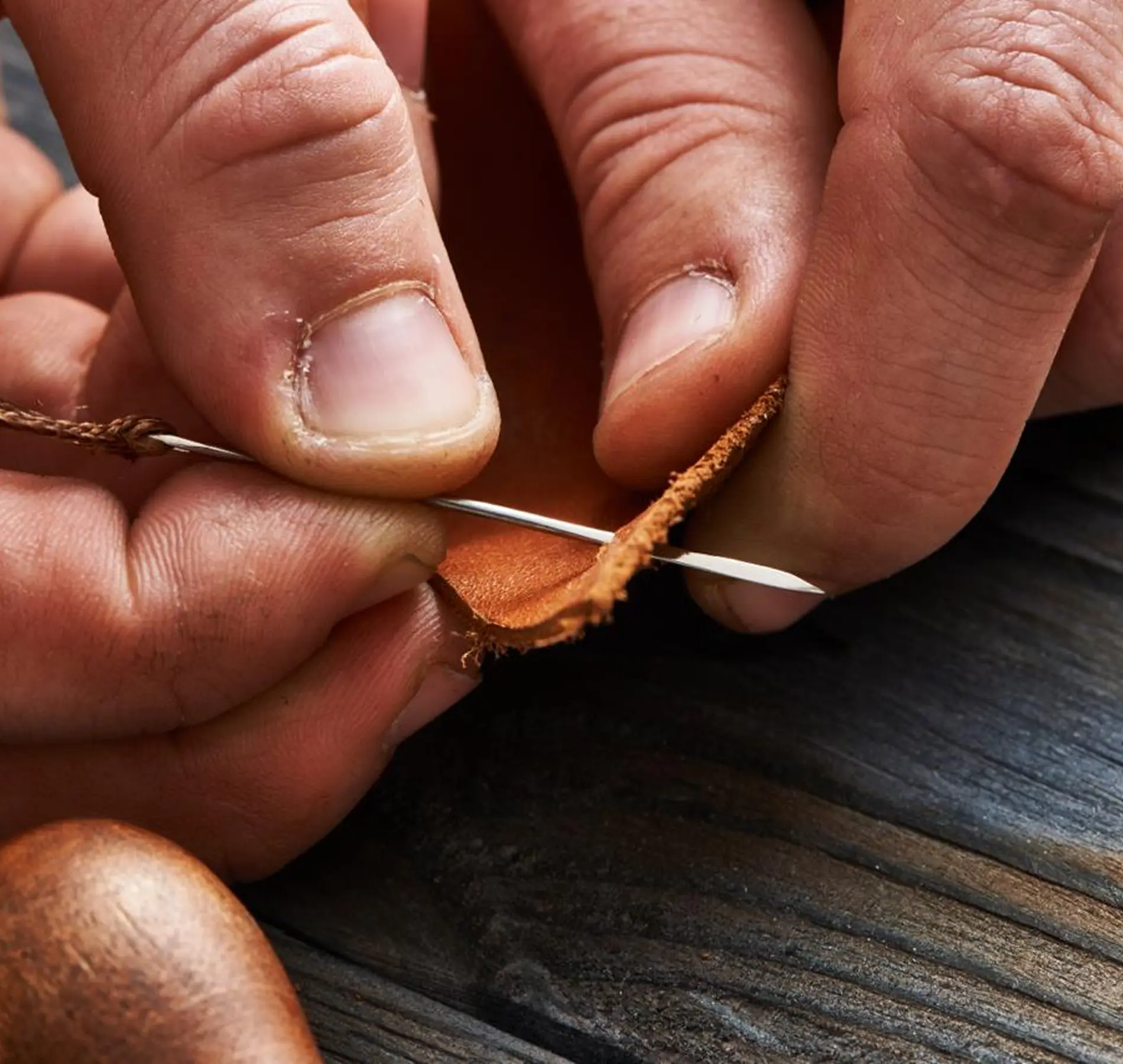
Analysts note that the global clothing and footwear repair market, long in decline, is now experiencing a notable revival and is growing: valued around $9.7 billion in 2024 and projected to exceed $15 billion by 2033 . What's powering this growth is a change in mindset - a recognition that extending a garment's life is both economically savvy and environmentally vital. As one 14 4 industry report put it, rising numbers of consumers (and brands) now “value durability, customization, and repairability,” viewing these as key to a more circular, less wasteful fashion system .
Rana chuckles at the idea that repair is suddenly trendy. In Kullu's traditional culture, repairing and repurposing were simply a way of life. He remembers his grandmother skillfully patching wool shawls and felting old scraps into quilts. Nothing useful was ever wasted; an old shawl might be reborn as a baby's coat or a cushion cover. This ethos of “wear, care, and repair” was not about sustainability buzzwords - it was about respect: respect for the materials (which came from the sheep they raised), respect for the labor invested, and respect for the item's continued utility. A well-made garment was a companion, not a consumable.
Now, as the broader world grapples with overflowing landfills and the stark realities of climate change, this old wisdom is being rediscovered. Rana feels a quiet pride that what he does - mending sweaters, reinforcing worn elbows on jackets, re-lining old coats - is part of a bigger solution. Each act of repair is a tiny protest against the wastefulness of modern fashion. Each extended garment life is one less item tossed aside. Increasingly, he notices, customers are asking for repairs even when they're also ordering something new. One young client brought him a quilted jacket from a fast-fashion brand, seams splitting after one season; rather than discard it, she wanted it fixed and inquired about getting a higher-quality bespoke replacement that would last. “I'm tired of things falling apart,” she admitted. People like her are learning to cherish what they have, or at least to seek things worth cherishing.
In the workshop, Rana finishes the sweater repair with an artful grafting that's nearly invisible. The schoolteacher will likely be pleased - her father's sweater can keep living in her wardrobe, carrying his memory a while longer. Rana carefully wraps it in brown paper for her to collect later. This, too, is luxury, he muses: the luxury of continuity, of not having to say goodbye to a beloved item just because it’s a bit frayed. As he places the parcel aside, he glances at the motto painted above the cabinet - a simple mantra he put up years ago: “Make it last, and it will last.” In a world seduced by the new, he feels the tide slowly turning back to honor the old - and the well-made.
Provenance and Pride
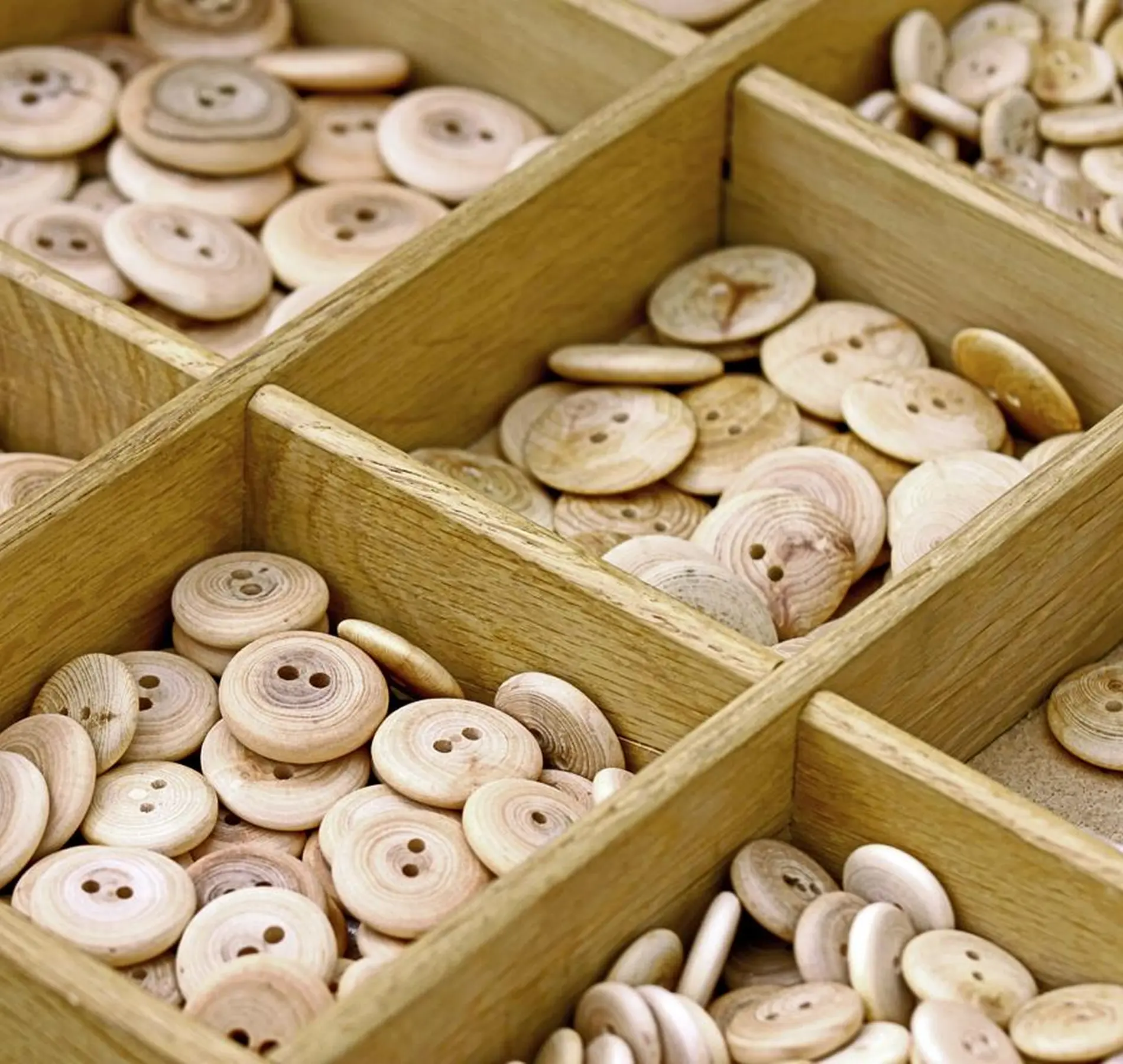
As afternoon light warms the atelier's interior, Rana returns to the nearly finished custom jacket. Only the buttons remain. From a small tin, he selects four horn buttons, each polished and sewn on by hand with a thick stalk for durability. These buttons have their own backstory: they're carved from the horns of local Himalayan cattle by an artisan friend in a nearby village. Attaching them, Rana recalls how he sourced every element of this garment from within 100 kilometers - the wool from Kullu shepherds, spun and dyed by a cooperative of village women, woven by him on a handloom, and now tailored in this very room. Provenance, to him, is not a marketing buzzword but a lived reality. He can trace each thread of this coat back to its origin, and he takes genuine pride in that transparency.
Such clarity of origin is rare in today's fashion landscape. Most garments travel through a labyrinthine global supply chain: cotton grown in one country, spun in another, cut and sewn in yet another, with zippers and buttons from who-knows-where. By the time a shirt lands on a store shelf, even experts struggle to map its journey. For a long time, few consumers asked or cared where their clothes came from. But that, too, is changing. “Where does this stuff come from?” has become an urgent question on many lips . Scandals over sweatshop labor and toxic materials have opened the public's eyes. Campaigns like Fashion
Revolution's #WhoMadeMyClothes trend have people around the world demanding to know the faces and places behind their apparel. Shoppers are no longer content with vague labels; they want the story. Rana welcomes this curiosity. He has always believed that knowing the story of a product deepens one's appreciation for it. When he hands over a finished garment to a client, he often shares little anecdotes: This wool came from Chamba valley sheep, known for their warmth, or the pattern on the lining is a traditional Kullu motif my grandfather taught me. These details light up customers' eyes. It's as if the clothing transforms from a mere commodity into a connection - a link between the wearer and the web of artisans, animals, and landscapes that created it. In an era of anonymous mass production, such connections feel like revelations.
This trend towards transparency isn't just niche. Even big brands are being pushed to be open about their sources and practices. Some forward-thinking companies now publish the names and locations of their factories, the farmers who grow their cotton, even the carbon footprint of each item. A Harvard Business Review piece noted how what was once a fringe concern - supply chain transparency - has become mainstream as consumers and regulators demand details about how goods are made . People worry about quality, ethics, and environmental impact, and they reward brands that offer clarity. In fact, trust in a brand is increasingly linked to its openness about provenance and labor. Transparency builds trust - and trust builds long-term loyalty.
For artisans like Rana, this is vindicating. He has always operated on a first-name basis with his supply chain: he knows the herder who supplied the wool (a friend from childhood), the natural dyer who achieved this coat's unique walnut-brown hue, and the other tailors in town whom he'll call on if he needs a special skill (like fine embroidery or applique). Nothing about this coat's creation is faceless. When the client - a young woman from Delhi arriving tomorrow - wears it, she will quite literally be wrapped in the handiwork of a community. Rana plans to tell her exactly who did what, introducing her (through stories, at least) to the people behind the product. In doing so, he hopes she'll wear the jacket with a little more reverence - aware that real lives and real landscapes are woven into its fabric.
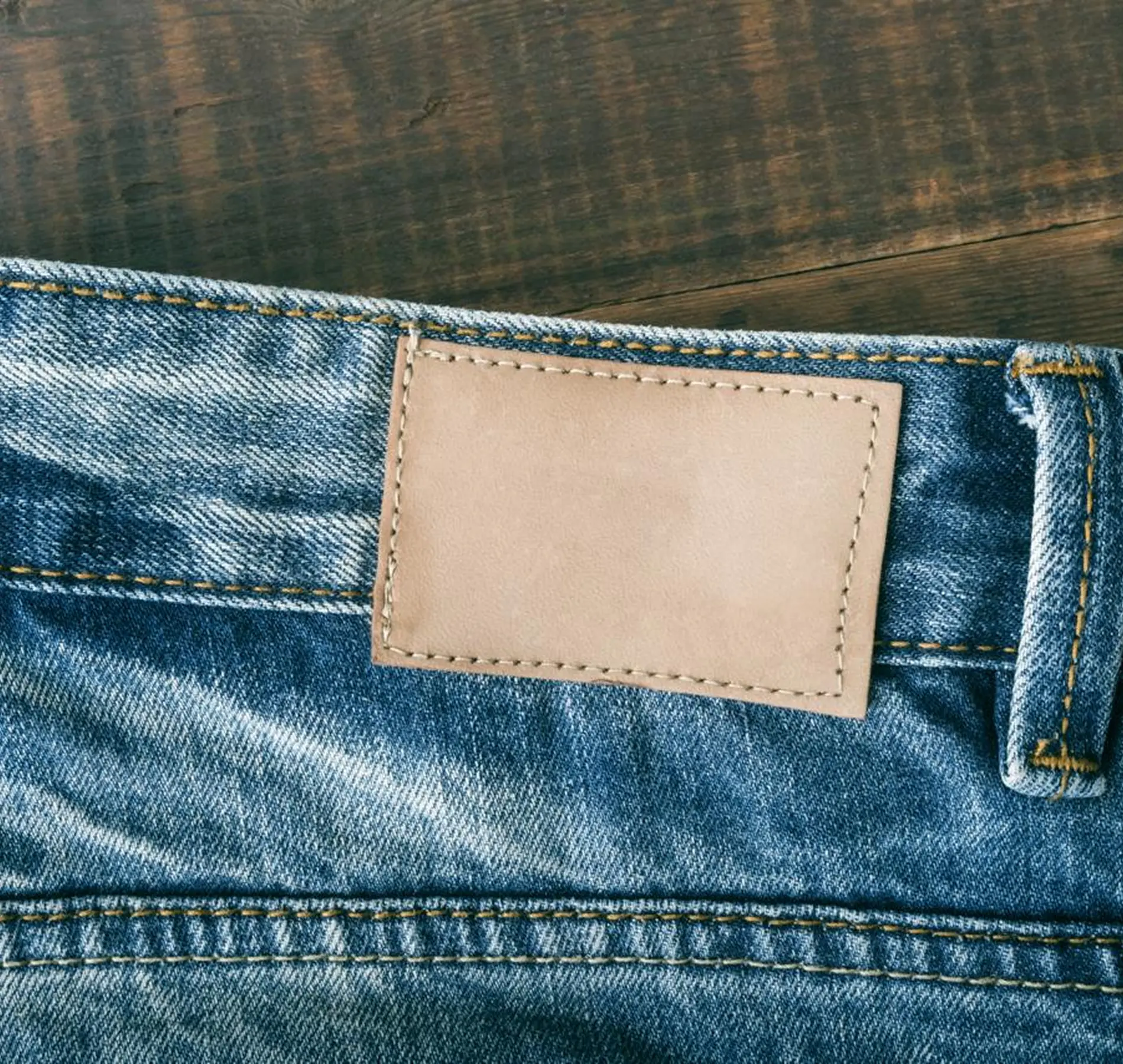
Before dusk, he adds one final touch inside the jacket: a small hand-stitched label that reads, “Handcrafted in Kullu by R. Rana.” The letters are simple and unadorned, but they carry weight. They stand for accountability and pride. His name is his promise - that this garment was made with integrity, that it embodies the heritage of his homeland, and that it's built to honor the hours of life poured into it.
Life-First Luxury
As evening descends, a golden glow envelops the atelier. Rana unrolls an old cotton dust cover and gently wraps the completed jacket. Tomorrow, when the client comes for it, he'll present it like a gift - not just from him, but from Kullu and its craft tradition. He stretches his back and allows himself a moment of satisfaction. It is a beautiful piece, made with impeccable skill and deep care. But more than that, it is a testament to a different way of living and creating.
In this quiet ending of the day, the broader significance of the work settles in the silence. Rana reflects that every decision he made - to prioritize quality over quantity, to mend rather than discard, to source mindfully, to share the story - all stem from putting life at the center of his craft. By life, he means the wellbeing of people (himself, his fellow artisans, the eventual wearer), the health of the environment, and the preservation of cultural heritage. This is a life-first ethos: the idea that profit, growth, and speed should not trample over the fundamental things that make life meaningful and future-proof - things like community, sustainability, and time to actually live.
The jacket he made is luxurious, but not in the usual sense of opulence. Its true luxury lies in the values it represents. It challenges the notion that luxury is merely expensive or extravagant. Here, luxury is redefined as the product of care, time, and conscience. It asks the wearer to slow down - to appreciate the subtlety of handwoven wool, to feel the comfort of a garment shaped to their form, and to know that it was made without exploiting anyone or anything. In a world jaded by excess, this kind of luxury feels fresh and profoundly human.
Rana closes the atelier's wooden door and steps outside. The mountain stars are starting to prick through the sky. He takes a deep breath of the cold, clean air. Down in the town, he can see lights and hear the faint sounds of the evening bazaar. Life moves forward, as it always does. But he is unhurried; he carries the calm of his workshop with him. He allows himself a rare indulgence - a moment of narrative, imagining the future of the jacket he's made. Years from now, perhaps it will have softened and molded to its owner, maybe passed on to someone she loves. Maybe one day it will return to him for a little repair, and he'll see how it has become part of someone's story - frayed edges earned through living, not neglect.
At that thought, Rana smiles. This, after all, is why he does what he does. Each garment he creates or saves from ruin is a small rebellion against a world that too often treats both things and people as disposable. Each piece is a vote for a more mindful pace, a more mindful life. In the gathering dusk, the master tailor of Kullu walks home with an easy heart, his hands tired but steady. He knows the hours he spent today were worthwhile - invested in craft, in culture, and in continuity. And as he disappears into the lanes of his village, one can't help but feel that the true cost of time - the patience, the labor, the love - may very well be the best gift we give ourselves in the end.
In a society awakening to these truths, this little atelier in the Himalayas stands as a beacon of life-first luxury: a reminder that beyond the haste and hyperbole of modern consumerism, real value endures in the things - and the hours - that are shaped by human hands and heartfelt purpose. It's a luxury not of having more, but of living more, deeply and deliberately, one beautiful stitch at a time.
Related Journals
Nov 19, 2025
Dressed Becomes a Moral Act
There is a quiet moment most mornings when your hand reaches into the wardrobe. A blazer. A dress.
step inside the story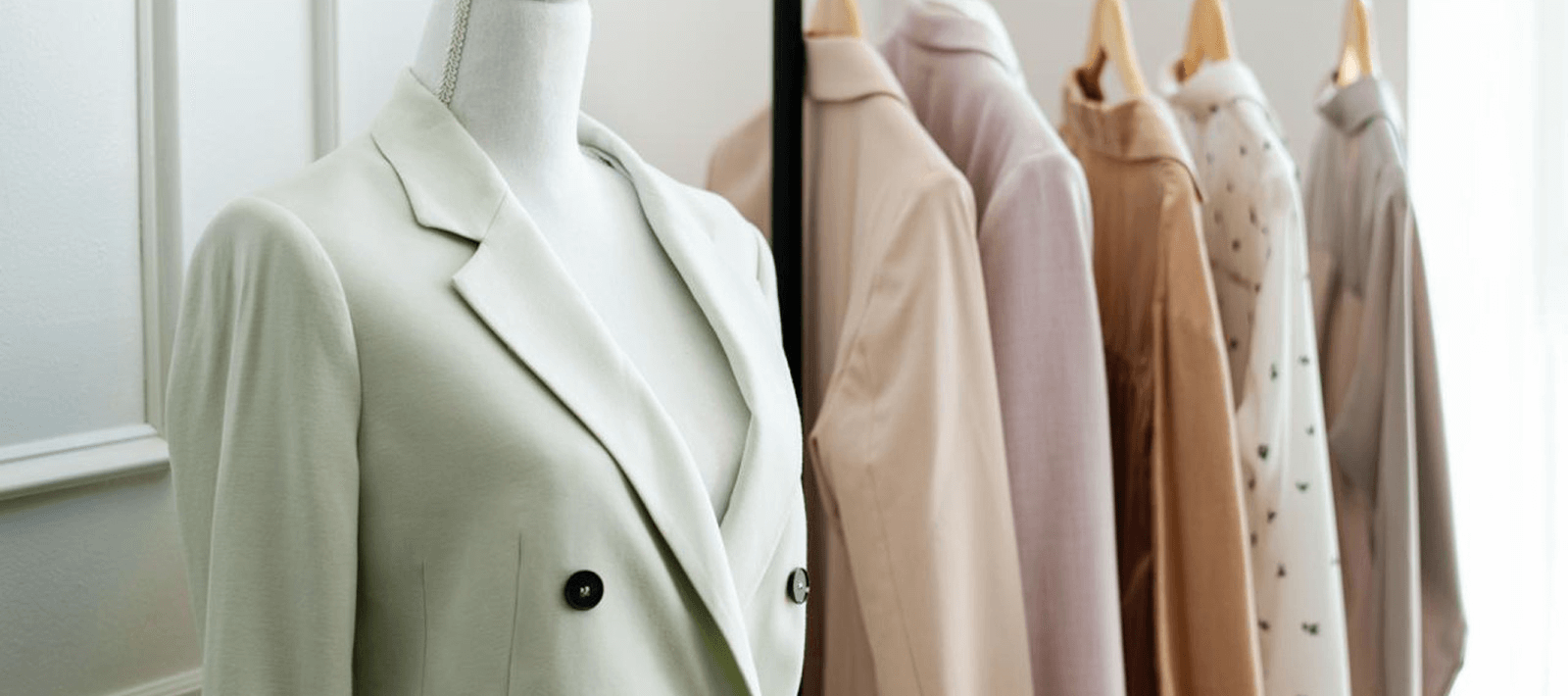
Oct 09, 2025
Beauty Without Harm
The luxury and apparel industries continue to scale faster than the planet can sustain. Global apparel emissions reached
step inside the story
Sep 23, 2025